 sagi
sagiChat with a local in Ladakh and it won’t be long before you get invited home to sip on a drink called butter tea and huddle around the fire in the hearth. Older Ladakhis will tell you that in richer homes, the hearth’s fire was always kept burning, and never allowed to die. Back before matches were readily available, neighbours came over to ‘borrow’ fire, to keep the kitchen bustling and the hearth warm.
While much has changed across the erstwhile Himalayan kingdom since then, the Ladakhis’ kindness and hospitality remain the same. Nestled between Kashmir, Pakistan-administered Gilgit-Baltistan to the north-west, and Chinese-controlled Tibet and Xinjiang to the east and north, Ladakh’s location on the ancient Silk Route allowed for its culture to draw from many regional influences, from Islamic neighbours and 19th century Sikh invaders to Tibetan traders who passed through the region.
Its food then—a reflection of the harsh terrain and unforgiving climate—is not only a lesson in flavour combinations and textures, but also in history. Thanks to the efforts of enterprising locals, those new to the region can enjoy the cuisine, its ingredients and culture—in delicious and exciting new ways.
Here are six unmissable food experiences to have in Ladakh:
1. Balti Farm Experience
Best for farm-to-table
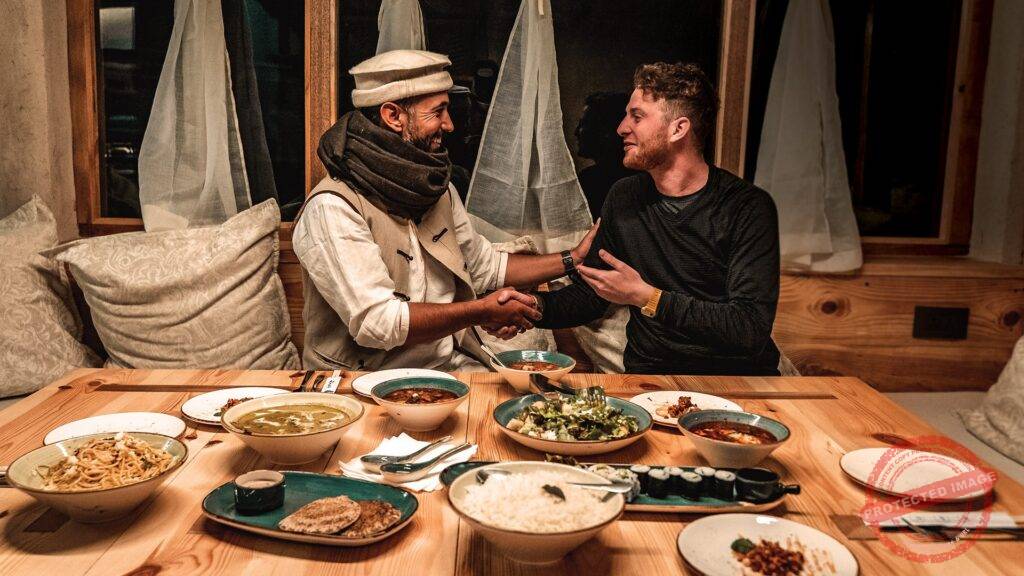
A six-hour drive from Leh, Turtuk, one of the last few inhabited villages near the Indo-Pak boundaries, is a bright green valley of bubbling brooks and mountain foliage. The village was in Pakistan territory until 1971, when it was occupied by the Indian Army during a skirmish. Turtuk was closed to travellers due to border security reasons and only opened for tourism in 2010. Part of the erstwhile Baltistan region, Turtuk’s locals enjoy a cuisine that departs from the food of most of Ladakh, owing to its temperate climate that produces fresh, leafy vegetables. The 10-course tasting menu comprises exquisite flavours using garden vegetables, herbs from nearby mountains, and grass-fed lamb. Get the ba-leh, barley noodles in a lamb broth, and the Kisirnagrang-thur, buckwheat pancakes served with tsamik, a yoghurt dip topped with radish leaves and dried herbs.
2. Tsas
Best for vegetarians
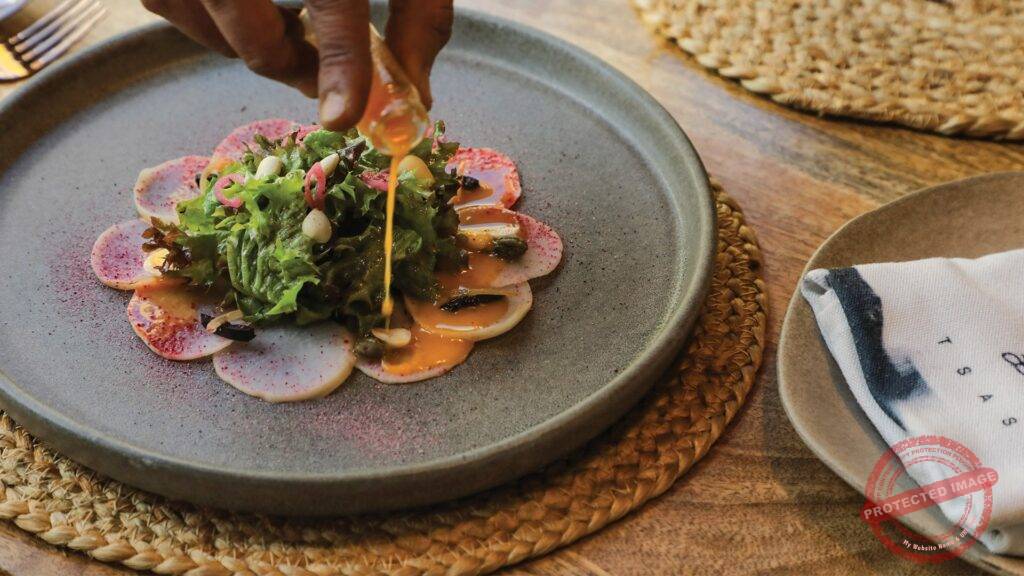
While much of the food in Ladakh is fermented and meat-heavy owing to the climate, Tsas, which translates to ‘kitchen garden’ in Ladakhi, is a paradise for vegetarian eaters looking to explore the local cuisine in modern and innovative ways. The menu is inspired by owner Rigzin Lachic’s travels, with dishes that draw from Spanish, Japanese and French cuisine, paired with principles from Ladakhi cooking, which is rooted in a respect for nature and seasonality. Take for instance, the local Ladakhi mushroom pâté covered with young apricot kernels, paired with a variety of bread, crisps and an umami-rich mushroom broth; and arancini balls made from barley with a filling of walnut and soft churpi (yak’s cheese) and served with marinara and saffron cream. Some of these dishes are almost too pretty to eat.
3. Namza Dining
Best for home cooking
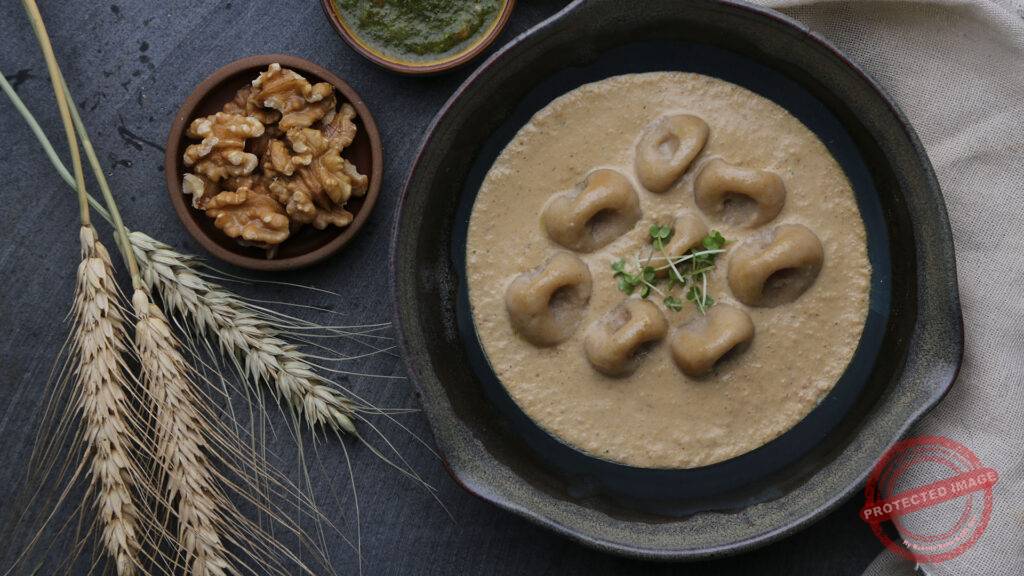
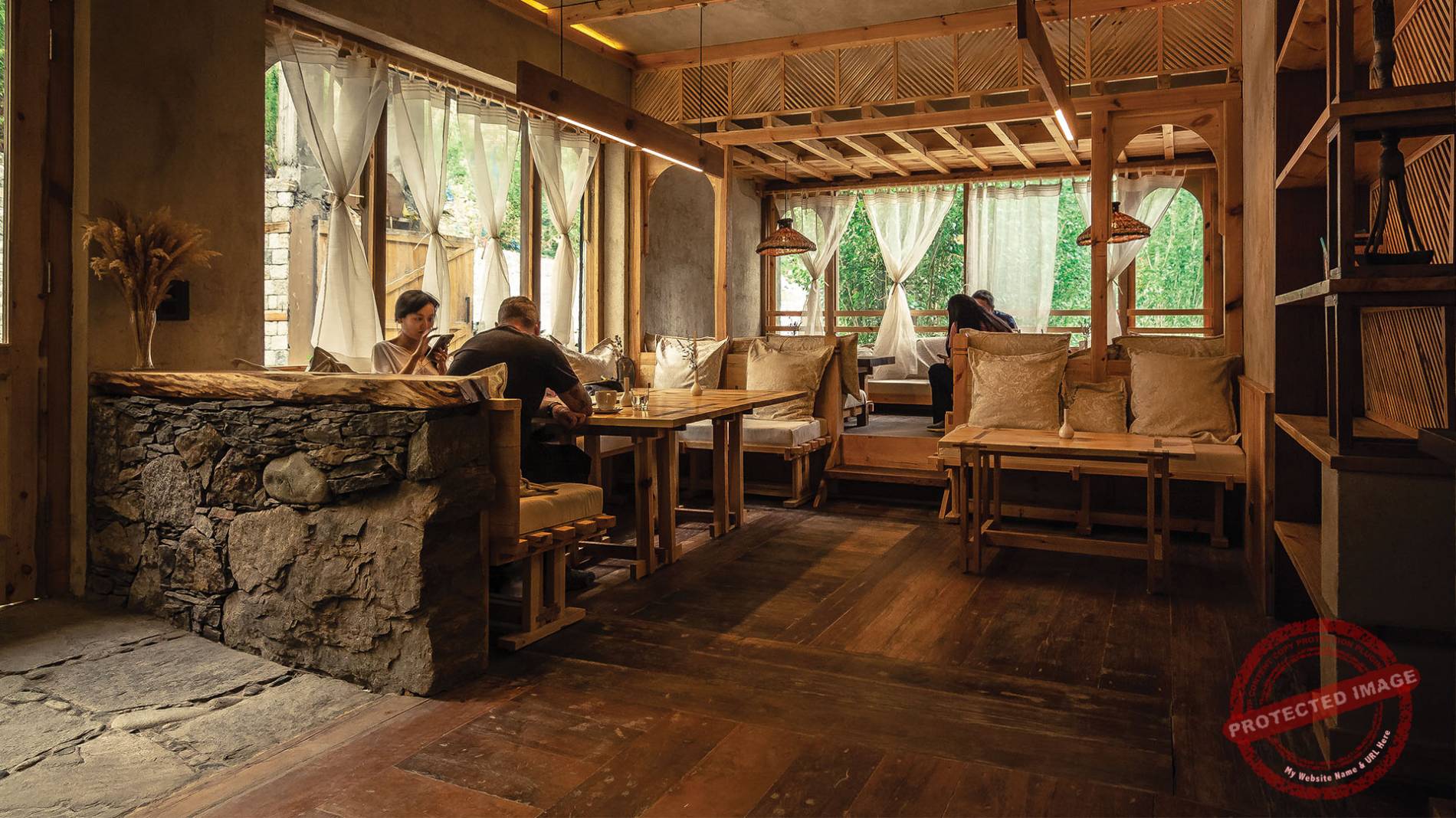
Tired of sending clients from their fashion boutique to mediocre restaurants around Leh, friends Padma Yangchen and Jigmet Diskit—who run Namza Couture—decided to make Ladakhi cuisine their new obsession. After documenting recipes from grandmothers and extensive travels across the region to learn more about lesser-known cooking practices and techniques, the duo launched Namza Dining in 2016, one of the first restaurants in the region to cook and serve long-established Ladakhi cuisine outside a home kitchen. In the traditional dining room next to a kitchen garden, be sure to try gyuma, Ladakh’s famous hearty blood sausages, yarkandi pulao, a comforting rice dish flecked with chunks of slow-cooked mutton and shapchen, a local Ladakhi tartare made with pounded yak meat.
4. Artisanal Alchemy
Best for culture
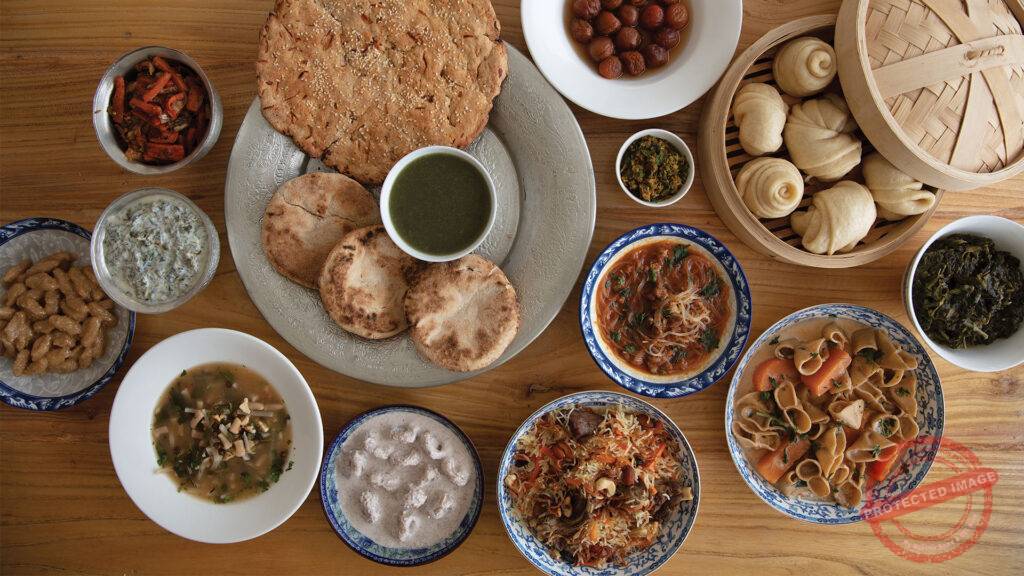
At this three-hour-long Ladakhi feast, each ingredient tells tales of Ladakh’s multicultural past. A scholar with an avid interest in Trans-Himalayan cuisine, Kunzes Angmo puts together these bespoke ‘culture and commensality’ meal experiences featuring traditional Ladakhi foods at Jade House, the homestay run by her family in the heart of Leh. As guests are served under a brilliant blue sky on the terrace of her family home, Kunzes pairs each dish with fascinating tidbits of Ladakh’s culinary legacy. Zathuk, a version of Tibetan thukpa soup made with stinging nettles is served to debunk the notion that all thukpas are made with noodles; skyu, a wholesome meal of local pasta-like dough balls in a milk sauce, highlights the use of ingredients brought over on the Silk Route, centuries ago. Book this for an eye-opening and delicious lesson in culinary history.
5. Willow Kitchen & Bar
Best for the views
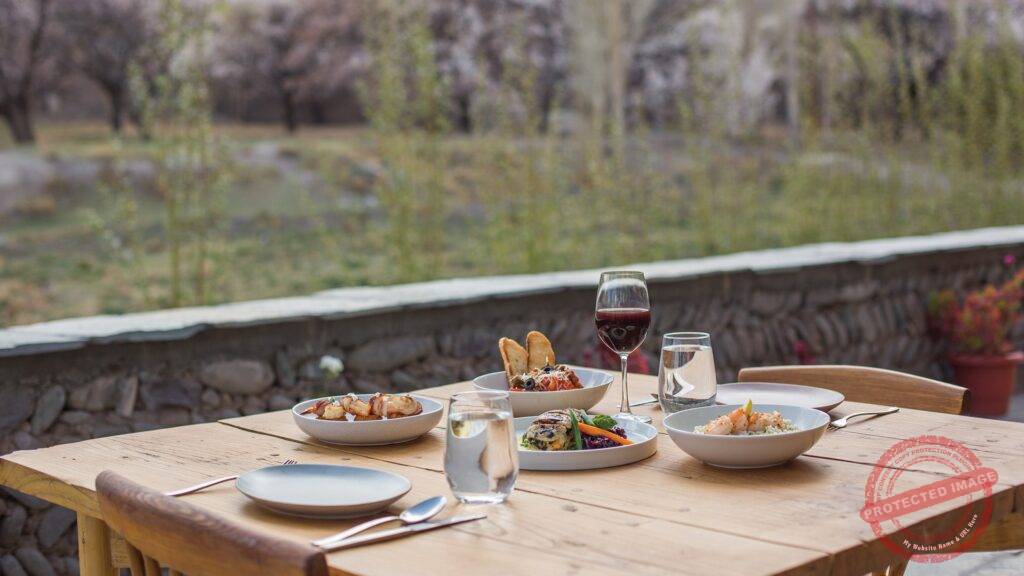
Run by Le Cordon Bleu-trained Prince Stanzin Namgyal, this European bistro is nestled in an apricot orchard at Leh’s Stok Palace, the official residence of the former royal family of Ladakh. Stok Palace has since been converted into a boutique hotel, but at Willow, a minimal space designed with a modern Ladakhi aesthetic, locals and travellers can gaze at snow-capped mountains while enjoying bruschettas, soups, salads and pasta, prepared with local Ladakhi ingredients and techniques, and sip on freshly-squeezed apricot juice from the surrounding orchard.
6. Alchi Kitchen
Best for regional cuisine
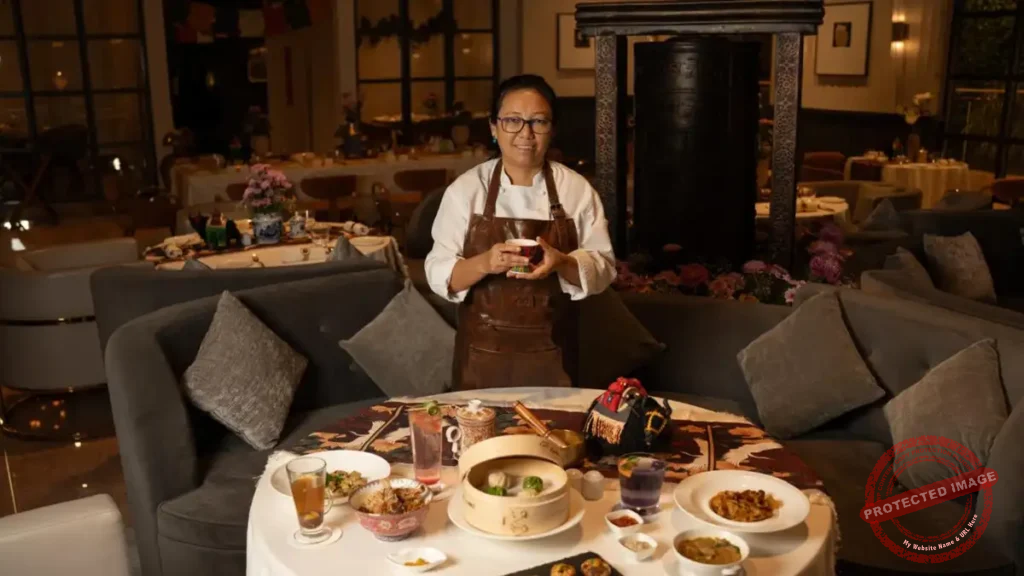
Located just outside the 1,000-year-old monastic complex of Alchi, 90 minutes west of Leh, this dining establishment founded by chef Nilza Wangmo was the first restaurant in Ladakh to introduce travellers to the cuisine of the region. From her traditional Himalayan kitchen that sits above her home, Wangmo serves up everything from soupy momos to tain tain, buckwheat crêpes paired with condiments made from apricot kernels, recipes she learned from her mother. After an earthquake ravaged a camp resort she ran, Wangmo launched the restaurant, partly to create employment opportunities for young women in the region. As a result of her efforts, in 2019, she was awarded the Nari Shakti Puraskar, the highest civilian honour for women in India, presented by the government to those who contribute towards women’s empowerment in a significant way. Over the years, Wangmo has worked hard to take the region’s cuisine beyond its borders, by hosting pop-ups in Delhi and Mumbai.

 sagi
sagi
 Writer