 sagi
sagiMost visitors today see Ladakh as a quiet, spiritual escape filled with monasteries and mountain passes. But stand on the ramparts of the Leh Palace and look toward the Indus River, and you’re actually looking at the remnants of a gritty, high-stakes political history. This was never just a retreat. It was a strategic crossroads.
The kings of Ladakh held the pulse of the Silk Road. They managed a fragile, high-altitude economy while juggling the ambitions of empires in Tibet, Kashmir, and Central Asia.
The Origins of the Namgyal Dynasty
Historians usually divide the region’s story into the early era and the rise of the Namgyal dynasty. Before the Namgyals took firm control in the 15th century, the region was a collection of fractured principalities. It was messy. Local chieftains held onto small valleys, and power was rarely centralized.
Then came the Namgyals. They turned Ladakh into a cohesive kingdom. By moving the capital to Leh, they tapped into the major trade routes. Suddenly, it wasn’t just about survival anymore—it was about taxation, trade, and regional influence.
Tsewang Namgyal remains the most famous of these early builders. He pushed the borders deep into Baltistan and parts of Western Tibet. He understood that in a place where resources are scarce, you control the flow of goods or you don’t stay relevant.
Sengge Namgyal and the Golden Age
If you want to see the peak of Ladakhi power, look at the reign of Sengge Namgyal in the early 17th century. People call this the golden age of the kings of Ladakh for a good reason.
Sengge was a builder and a diplomat. He commissioned the Leh Palace, a structure that still commands the skyline. He even brought in Indian artists and architects, blending Tibetan aesthetics with influences from the south.
He was pragmatic. He knew the kingdom needed a strong religious and cultural identity to stay unified. By patronizing the Drukpa Kagyu school of Buddhism, he linked the monarchy directly to the monastic institutions. When the king and the monks are aligned, the state becomes incredibly hard to destabilize.
The Trade Routes and Economic Survival
Why fight so hard for the Indus Valley? It comes down to wool. Specifically, pashmina wool.
Trade between Tibet and Kashmir relied on Ladakhi middlemen. The kings of Ladakh held the keys to the mountain passes. If you wanted to move goods from the high plateaus of Tibet down to the weaving centers of Srinagar, you paid the toll. That tax revenue funded the armies, the palaces, and the elaborate religious ceremonies that defined the court.
It was a dangerous game. Keeping the trade flowing meant constant negotiation with the Mughals and various powers in Tibet. One wrong move, and the routes closed, starving the kingdom of its primary income.
The Conflict with Tibet and the Mughals
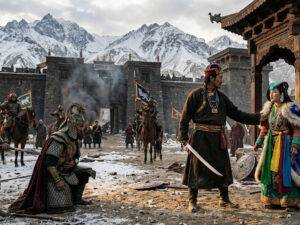
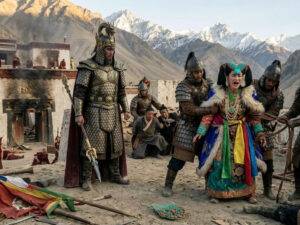
History in the Himalayas is rarely peaceful for long. The kingdom faced its biggest test in the mid-17th century when Mongol-Tibetan forces invaded. The Ladakhi army was overwhelmed, leaving them no choice but to call for help from the Mughal Empire.
This is where the history gets complicated. The Mughal Emperor Aurangzeb sent troops to assist, but the price was steep. It essentially turned Ladakh into a tributary state. The king had to convert to Islam—at least in name—and pay regular tribute to the Mughal governor in Kashmir.
It’s a perfect example of the precarious position the kings of Ladakh occupied. They were caught between the religious influence of Tibet and the military might of the Mughals. They survived by being flexible. They adopted foreign customs when necessary and retreated into their mountain fortresses when things got too hot.
The End of the Monarchy
The decline didn’t happen overnight. It was a slow fade. By the early 19th century, Dogra forces from Jammu, led by General Zorawar Singh, invaded. The kingdom was no longer the powerhouse it once was. Internal politics had become stagnant, and regional trade was shifting toward the British-controlled plains of India.
The last king, Tshespal Namgyal, eventually saw his authority stripped away. When the Dogras took over, the role of the king shifted from a sovereign ruler to a local figurehead.
What Remains Today
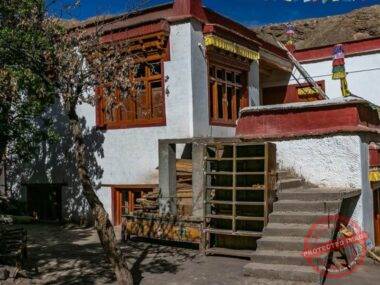
If you walk through Leh today, you can still feel the weight of this history. The palaces are mostly ruins, but they are grand ruins. You see the influence of the old kings of Ladakh in the architecture of the monasteries and the way local society still revolves around the harvest and the mountain seasons.
They weren’t just monarchs; they were the architects of a culture that managed to thrive at 11,000 feet. They built something that lasted through centuries of invasion, economic pressure, and extreme weather. That is worth remembering the next time you look up at the jagged, brown mountains that surround the Leh valley.
History isn’t just about the names of the rulers. It is about how they managed to keep a small, isolated kingdom relevant on the world stage for so long. They played the hand they were dealt, and more often than not, they played it well.



 sagi
sagi
 Writer