sagi
sagiSpend enough time sitting in a dusty teahouse in Leh, and the mood eventually shifts. The conversation drifts away from fuel prices or closed roads toward things that never make it onto a topographical map.
The locals call them “invisible neighbors.” These are the mountain spirits, the guardians, and the beasts said to roam the jagged Zanskar peaks. If you’re listening to the older generation, you’ll catch hushed mentions of the story of the mythical creature called Balu in Ladakh.
This isn’t some bedtime tale meant to keep kids in line. It’s a shadow that hangs over the high-altitude pastures. People talk about the Balu with a mix of genuine caution and respect—almost like they’re afraid that naming it too loudly might invite a visit.
What Exactly Is the Balu?
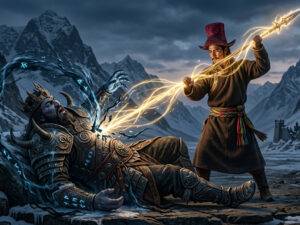
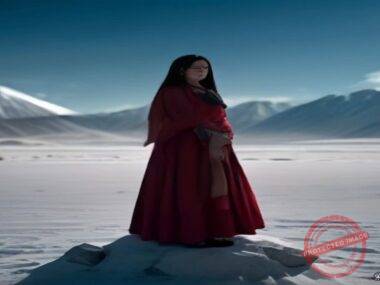
The Balu is a slippery subject. In some villages, you’ll hear it described as a massive, fur-covered entity moving with an eerie, silent grace across the snow. In others, it’s more of a shape-shifter—a trickster that mimics the sound of a trapped animal or a human voice to lure travelers away from the path.
The story of the mythical creature called Balu in Ladakh often circles back to the concept of “lha” or “lu”—the spirits of the land. The Balu is frequently cast as a guardian of these sacred, untouched spaces. If you wander too far into the high passes without offering a prayer or showing proper respect, the Balu is the one who makes sure you don’t find your way home.
It isn’t just another yeti clone. While the Himalayan yeti, or Migoi, is a staple of regional folklore, the Balu feels more intimate. It’s tied to the specific, brutal, and beautiful desert mountains of Ladakh, where the air is thin and the silence is loud enough to rattle your brain.
The Psychology of the High Desert
Why do these stories stick around? Just look at the environment. Ladakh is a place that can end you if you lose focus. A sudden storm, a missed step on a loose slope, or a sharp drop in temperature changes everything in minutes.
When someone goes missing, the explanation often drifts toward the supernatural. It’s easier to blame the Balu than to accept that the mountain simply doesn’t care if you’re there. The myth gives a name to the danger. It makes the threat feel human.
I’ve talked to shepherds who swear they’ve felt eyes on them while moving their flocks. They don’t describe a monster with claws. They describe a heavy, suffocating presence that forces them to pack up their gear and get out before the sun dips behind the ridge. To them, that feeling is real.
Connecting with Ladakhi Folklore
If you travel through this region, you’ll notice that everything has a story. The rocks, the rivers, and the ruined monasteries are all part of a deep, oral history. The Balu is just one thread.
Don’t go looking for these things. That’s the first rule of mountain travel. If you do ask a local guide about the Balu, do it over a bowl of thukpa. Don’t treat it like a curiosity you’re trying to debunk. Listen to how they describe it. Watch their eyes.
- Respect the silence: Ladakhis believe loud noises in sacred or remote areas can disturb the spirits.
- Follow the cairns: The stone markers aren’t just for navigation; they are offerings.
- Acknowledge the land: A simple gesture of respect before crossing a pass goes a long way.
These aren’t just superstitions. They are survival strategies honed over centuries in one of the harshest environments on Earth. Whether the Balu is a physical creature or a manifestation of the mountain’s own character, the result is the same: you stay alert.
Why the Myth Still Matters
Modernity is finding its way into the high valleys. Satellite phones, paved roads, and tourists with GoPros are changing the rhythm of life in Ladakh. Yet, the story of the mythical creature called Balu in Ladakh survives.
It sticks around because we still need the mystery. We need to believe there are corners of this world we haven’t fully mapped or conquered. The Balu represents the untamable nature of the Himalayas. It’s a reminder that, no matter how much tech you carry, the mountains are still in charge.
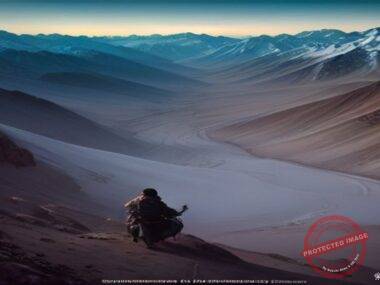
Next time you’re trekking the Markha Valley or crossing the Khardung La, keep your ears open. If the wind sounds a little too much like a voice, or if you feel that sudden, sharp urge to turn around and head back to the village, maybe don’t question it. Just walk.
The mountains have a way of keeping their secrets. Sometimes, it’s best to let them stay that way.

 sagi
sagi

 Writer