sagi
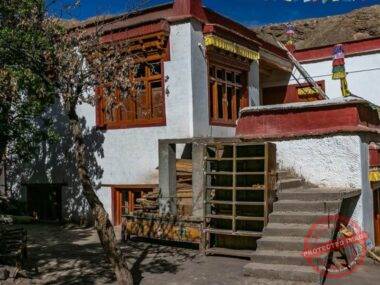
sagiThe air in Ladakh hits differently. It’s thin, biting, and carries a weight you won’t find anywhere else. When you sit inside a centuries-old monastery in Hemis or Thiksey, the silence isn’t empty. It’s heavy with stories.
For generations, the people living in these high-altitude deserts haven’t looked to books to keep their history alive. They’ve relied on voices. They’ve relied on songs. They’ve relied on the Kesar Saga.
If you really want to understand the soul of the Himalayas, look past the trekking maps and the glossy brochures. Listen instead to the epics that nomadic bards have recited under the stars for hundreds of years.
The Kesar Saga: The Epic Heart of Ladakh
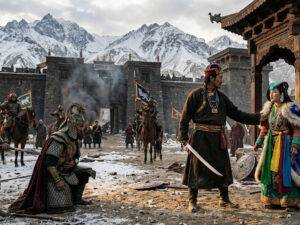
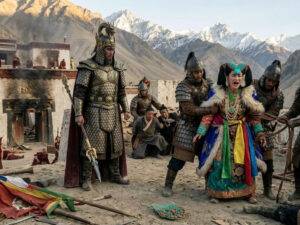
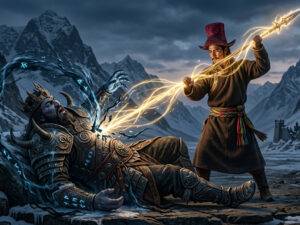
The Kesar Saga is more than just a story. It is the definitive epic for the Tibetan and Ladakhi people. It spans thousands of verses, following the life and battles of King Kesar—a divine hero sent from the heavens to crush demons and bring order to a chaotic world.
Think of it as the Iliad of the Himalayas, just with more magic and a deeper connection to the jagged, unforgiving terrain. Every valley in Ladakh seems to claim a piece of the legend.
The bards, or Bakhsis, perform these tales with an intensity that hits you hard. They don’t just recite lines; they inhabit the characters. They shift their voices, mimic the thunder of galloping horses, and bring battles to life so vividly you can feel the hair on your arms stand up.
It is a living tradition. You might find a local elder who knows a version of the story that differs slightly from the one told in the next valley over. That’s the beauty of it. The Kesar Saga grows and breathes alongside the people who tell it.
Why These Tales Still Matter
Modern life in Leh is picking up speed. Better roads and constant connectivity mean the old ways of gathering around a hearth to hear stories are fading. But these tales offer a moral compass that no smartphone app can replace.
They teach us about resilience. Living at 11,000 feet is no small feat. The winters are brutal and resources are always tight. The characters in Ladakhi folklore face impossible odds, mirroring the lives of the people who call this place home.
When Kesar fights a demon, he’s really wrestling with the harshness of the environment. He’s fighting the fear of the unknown. It’s a struggle anyone can relate to, even if you’re just passing through for a week.
Beyond the Epics: Spirits and Mountain Lore
While the Kesar Saga dominates the cultural landscape, the smaller, localized folk tales hold the real charm. Ladakh is a place where every rock, stream, and mountain pass is said to have its own guardian spirit.
You’ll hear stories about the Lu, serpent-like spirits that inhabit water sources. If you pollute a stream, you risk angering them. It’s a brilliant, cultural way to ensure that water—the most precious resource in a desert—stays clean.
Then there are the mountain deities. People here treat the peaks with a reverence that borders on fear. You don’t just climb a mountain; you ask for permission. You offer incense. You leave a prayer flag.
These aren’t just superstitions. They are a code of conduct. They dictate how you interact with a landscape that is constantly testing your limits.
How to Experience These Stories
If you’re planning a trip to Ladakh, don’t just stay in the main markets. Head into the smaller villages like Alchi or Lamayuru. Sit in a tea shop.
Most local guides are goldmines of information. If you show real interest, they might tell you about the local ghosts or the hidden history of a nearby monastery. Don’t ask for the “tourist version,” though. Ask about the stories their grandparents told them.
- Listen for the cadence: Even if you don’t speak Ladakhi, pay attention to the rhythm of the storytelling. It’s hypnotic.
- Visit during festivals: The Hemis Festival, for example, features masked dances that act out these very stories. It’s visual storytelling at its peak.
- Respect the silence: Sometimes, the best way to hear a story is to stop talking and let the mountains provide the context.
A Legacy in the Making
I’ve met travelers who spend their whole trip hunting for the perfect photo, only to realize later they missed the actual heartbeat of the place. The scenery is stunning, sure. But the real Ladakh lives in its oral history.
The Kesar Saga remains the backbone of this identity. It’s a reminder that no matter how much the world changes, humans will always need stories to make sense of the world around them.
If you go, go with an open ear. You might hear something that sticks with you long after the flight home. And honestly? That’s the best souvenir you could ever bring back.

 sagi
sagi
 Writer