sagi
sagiMost travelers touch down in Leh hunting for mountain vistas and those iconic Buddhist monasteries. They see prayer flags snapping in the wind against a deep, piercing blue sky and assume this place has always been a quiet sanctuary. But the real kingdom of Ladakh is far grittier and more complicated than any travel brochure would have you believe.
This wasn’t just some sleepy, remote outpost. It was a vital bridge between worlds.
The Origins of a Mountain Power
Ladakh sits right at a crossroads. For centuries, the Indus River valley acted as the main artery for silk, spice, and wool merchants traveling between India, Tibet, and Central Asia. You can still spot the evidence today in the crumbling fortresses that cling to the cliffs like barnacles.
The early history is a bit hazy, lost somewhere in the thin air and the centuries. We know nomadic tribes lived here long before it became a formal state. By the 10th century, a prince from the Tibetan royal line named Skyid-lde-nyima-gon showed up. He basically set up shop, carved out his own territory, and laid the groundwork for the kingdom of Ladakh.
He wasn’t just building a home; he was starting a dynasty that would last for hundreds of years.
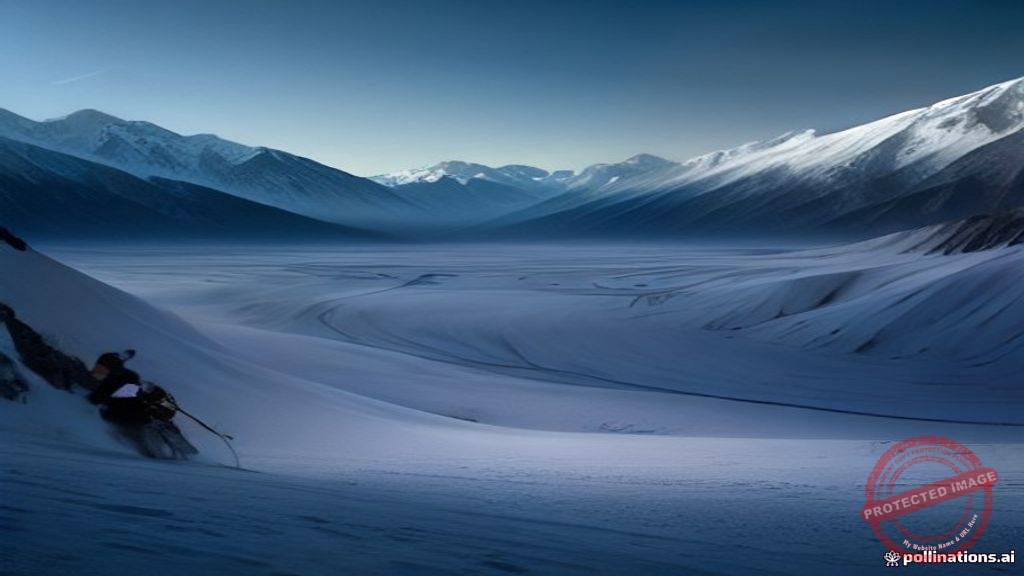
Building the Kingdom of Ladakh
Things really hit their stride under King Sengge Namgyal in the 17th century. If you visit Leh today, you’ll see his palace looming over the old town. It’s a massive, nine-story structure that feels like an ancestor to the Potala Palace in Lhasa.
Sengge Namgyal was a builder, sure, but he was also a conqueror. He pushed the borders into Zanskar and locked down the trade routes. He understood that to survive in the Himalayas, you needed two things: control over the mountain passes and a tight grip on the spiritual centers of the Buddhist world.
He became the patron of the Hemis Monastery, which remains the wealthiest and most influential site in the region. This wasn’t just about faith. It was a calculated move to cement his political authority across a rugged landscape where the central government could be days of hard riding away.
The Struggle for Survival
The kingdom faced constant pressure. It wasn’t just the brutal weather, either. They had to contend with the Mughal Empire to the west and a rising power in Tibet to the east. The 1684 Treaty of Tingmosgang is a major turning point; it settled the borders between Ladakh and Tibet and effectively turned the kingdom into a buffer state.
Life here was never a walk in the park. The winters are harsh, and the soil is punishing. You have to respect the engineering it took to keep a kingdom alive at 11,000 feet. They built clever irrigation systems, diverting glacial melt to turn dust into barley fields. Without that kind of grit, the kingdom would have folded in a single generation.
The Transition to Modernity
By the 19th century, the map started shifting again. The Dogra general Zorawar Singh, fighting for the Sikhs, invaded Ladakh in 1834. It was a short, brutal conflict that ended the independence of the old kings. The region was eventually absorbed into the state of Jammu and Kashmir.
This changed the power balance for good. The local kings, known as Gyalpos, were pushed into ceremonial roles. They kept their titles, but the real power sat in Srinagar or with British administrators obsessed with the “Great Game”—that strategic tug-of-war between Russia and the British Empire for control over Central Asia.
Ladakh became a pawn in a much bigger match. It was a place where British spies and Russian explorers met to drink tea and plot maps. The locals mostly kept their heads down, focusing on their crops and their prayers.
Why the History Matters Today
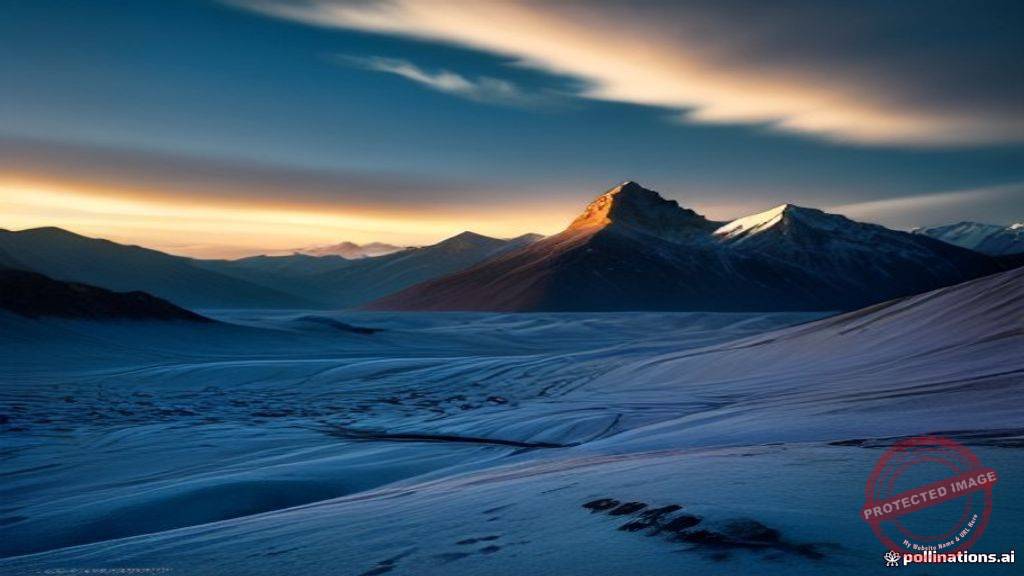
If you walk through the narrow alleys of Leh today, you’re moving through a space that weathered centuries of shifting borders and foreign invasions. The kingdom of Ladakh left behind more than just stone walls. It left a cultural identity that feels distinct from the rest of India and, in its own way, separate from Tibet.
You see it in the way people interact. There’s a quiet stoicism here you don’t find elsewhere. It’s born from living in a place where the mountain passes can be choked by snow for six months of the year. People here learned to be self-reliant, and they learned to lean on their neighbors because, in the dead of winter, the community is all you have.
When you travel through these mountains, try to look past the scenery. Look at the mud-brick houses and the weathered chortens. They are the artifacts of a kingdom that managed to thrive in one of the most hostile spots on the planet.
The history of the kingdom of Ladakh is a masterclass in adaptation. They didn’t try to fight the mountains; they learned to work with them. That perspective is exactly what makes this place so gripping for anyone willing to look past the surface.

 sagi
sagi

 Writer