 Writer
Ladakh Astrophotography: How to Plan a Night-Sky Photography Trip
Ladakh is one of the strongest places in India for night-sky photography, but a successful astrophotography trip here is not simply a matter of driving to the darkest-looking point on a map. Altitude, moon phase, road access, cold, wind, batteries, foregrounds and local light rules can matter as much as the camera.
Hanle is the obvious centre of the story. It is home to the Indian Astronomical Observatory and the Hanle Dark Sky Reserve, where unusually dark, dry skies have supported professional astronomy as well as a growing community-based astro-tourism programme. But Hanle is not the only place where a photographer can work. Pangong, Tso Moriri, Tso Kar, the high plains of Changthang and quieter areas closer to Leh can all offer different combinations of sky, foreground and logistics.
The best plan begins by deciding what you actually want to photograph. A Milky Way landscape, star trails, a meteor shower and a deep-sky target do not require the same moon, lens, location or amount of time.
Why Ladakh Works So Well for Astrophotography
Three things make Ladakh especially interesting after dark: elevation, dry air and large areas with very little artificial light.
The Indian Institute of Astrophysics describes Hanle as a dry, cold desert with low atmospheric water vapour and a high number of cloudless nights. The Indian Astronomical Observatory sits above the Hanle Valley, and the surrounding dark-sky programme exists partly because the quality of this environment is scientifically valuable.[1]
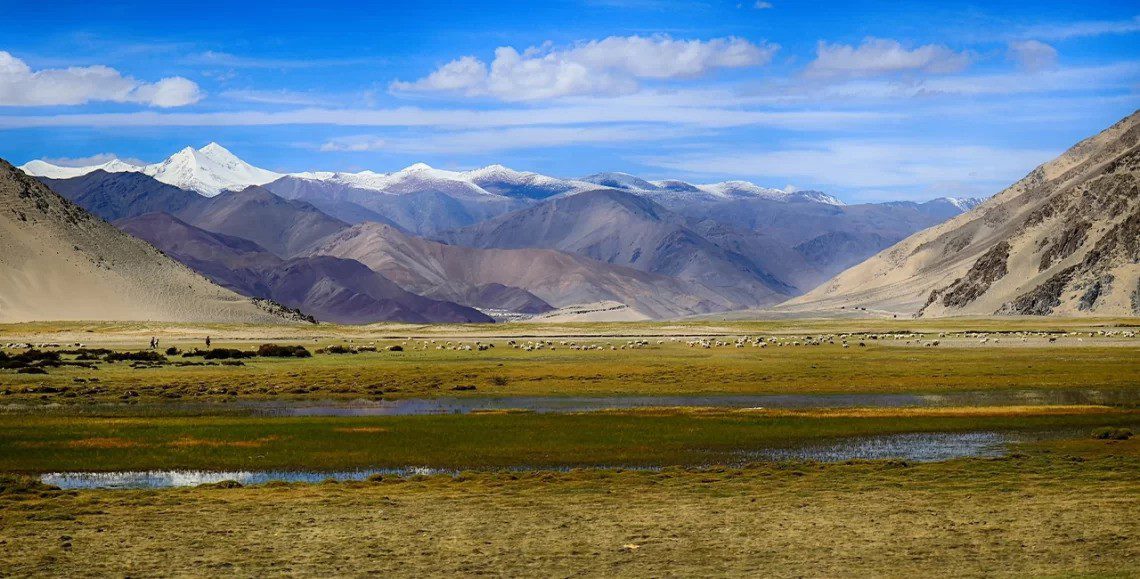
For a photographer, that can translate into dark backgrounds, strong visibility of faint stars and landscapes that remain visually distinctive even when they become silhouettes. Mountains, monastery walls, river plains, lakes and open Changthang terrain can all become foregrounds rather than merely places from which to point a camera upward.
Darkness, however, should not be confused with guaranteed clear weather. Clouds, dust, wind and seasonal weather still matter. Astrophotography in Ladakh is better planned as a sequence of opportunities than as a single night on which everything must work.
Hanle: The Strongest Dedicated Dark-Sky Base
Hanle Dark Sky Reserve is the clearest choice for travellers whose trip is specifically built around astronomy or astrophotography. The Indian Institute of Astrophysics says the reserve covers roughly a 22-kilometre-radius region around Hanle inside the Changthang Wildlife Reserve and was declared in December 2022.[2]
The reserve is not simply a tourism label. Light management is part of its purpose. Local households have been provided with measures such as curtains, warmer lighting and shades, while visitors are expected to help protect the darkness.[2] That matters to photographers: careless headlights, bright torches and repeated white-light use can affect other observers and undermine the very conditions people have travelled to experience.
Hanle also has trained local Astro-Ambassadors with telescopes. They are useful for travellers who want the night to include observation and interpretation rather than photography alone.[3]
The existing LOTPL Hanle stargazing guide goes deeper into Hanle itself, including access, the observatory and practical destination planning. This article has a different job: deciding how Hanle fits into a wider Ladakh photography trip.
Can You Photograph at the Indian Astronomical Observatory?
Do not treat the observatory as an unrestricted photography location.
The Indian Institute of Astrophysics states that visitor access is controlled, most areas are restricted, and commercial videography and photography require prior authorization. Visitors are also asked not to interfere with instruments or staff and to follow measures designed to prevent light pollution.[3]
That distinction is important. You can make excellent night landscapes in the Hanle region without assuming that professional observatory infrastructure is a public photo prop.
For photographers planning specialized access, the safest approach is to contact the Hanle Dark Sky Reserve or Indian Institute of Astrophysics in advance rather than arriving with an expectation of access.[4]
Hanle or Pangong: Which Is Better?

For pure darkness and an astronomy-focused stay, Hanle is generally the more deliberate choice. For a dramatic lake foreground that can be integrated into a broader Ladakh circuit, Pangong offers a different kind of image.
Pangong can work beautifully when the shore, mountain profiles and reflections cooperate. It can also be more complicated photographically than the postcard suggests. Wind can remove reflections, accommodation areas can introduce local light, and a composition that works at sunset may not automatically work when the Milky Way is in the desired position.
The practical question is therefore not “Which place has more stars?” It is “Which place gives the foreground, sky direction and night logistics needed for the image I want?”
If the trip can include both, use them differently: Pangong for lake-and-mountain nightscapes; Hanle for a trip centred more explicitly on dark skies.
Tso Moriri and Tso Kar
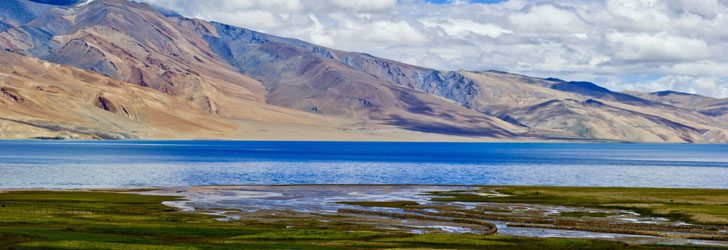
Tso Moriri offers another large high-altitude lake landscape, with broad mountain horizons and settlements that are generally much smaller than Leh. It can be rewarding for wide nightscapes, especially when a photographer has already planned where the Milky Way or another target will appear relative to the lake and surrounding ridges.
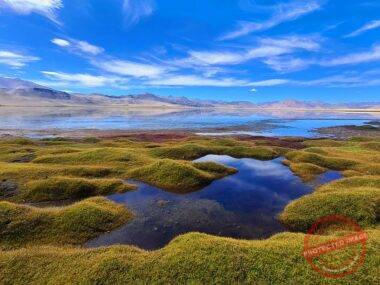
Tso Kar is visually different. The open high-altitude basin, pale ground, distant ridges and wide horizons can produce more minimal compositions. It is useful when the aim is not necessarily the classic “stars over blue lake” image.
Both places require the same discipline as Hanle: acclimatization first, realistic travel days, respect for wildlife and settlements, and no assumption that darkness makes every roadside pull-off an appropriate place to wander at night.
Do Not Ignore Locations Closer to Leh
A first astrophotography night does not have to be at the far end of Changthang.
For many travellers, a quieter location outside Leh is a better place to learn how their camera, tripod, focus and clothing behave at altitude. It also reduces the cost of discovering at 4,200 metres that a remote shutter is missing, a lens heater has failed or the tripod plate was left at the hotel.
Leh itself has substantial artificial light, so the goal is not to shoot from the centre of town. The goal is to use an accessible darker location as a rehearsal before committing to more remote nights.
This is especially sensible when astrophotography is only one part of a larger Ladakh journey.
Moon Phase Matters More Than a Generic “Best Month”
A clear new-moon night and a clear full-moon night are both useful, but for different photographs.
For a dark Milky Way sky and faint stars, plan around nights when the moon is absent or contributes little light during the shooting window. Do not rely only on a calendar icon saying “new moon”; check the moonrise and moonset times for the actual location and date.
For a landscape in which mountains, monastery walls or ground texture need natural illumination, some moonlight can be an advantage. A bright moon can turn a black foreground into a readable landscape and reduce the need for artificial light painting.
This is why a photographer should choose the image first and the moon second. “No moon is always best” is too simple.
When to Photograph the Milky Way in Ladakh
Milky Way planning has two separate questions: when the Galactic Centre is visible during the night, and whether the weather and moon cooperate.
The apparent position and timing of the Milky Way change through the season. A composition planned for a spring predawn sky will not behave the same way in late summer or autumn. Before the trip, use a reliable planetarium or photography-planning application to simulate the exact date, time, direction and elevation of the Milky Way from the intended location.
Then work backward from the composition. If the Milky Way needs to rise behind a monastery or arc above a lake, the correct night may be determined by geometry rather than by a generic list of “best months.”
Ladakh’s dry summer and early-autumn conditions often make this period attractive, but no month guarantees a clear night. Build slack into the itinerary whenever the photograph matters.
A Practical Camera Kit
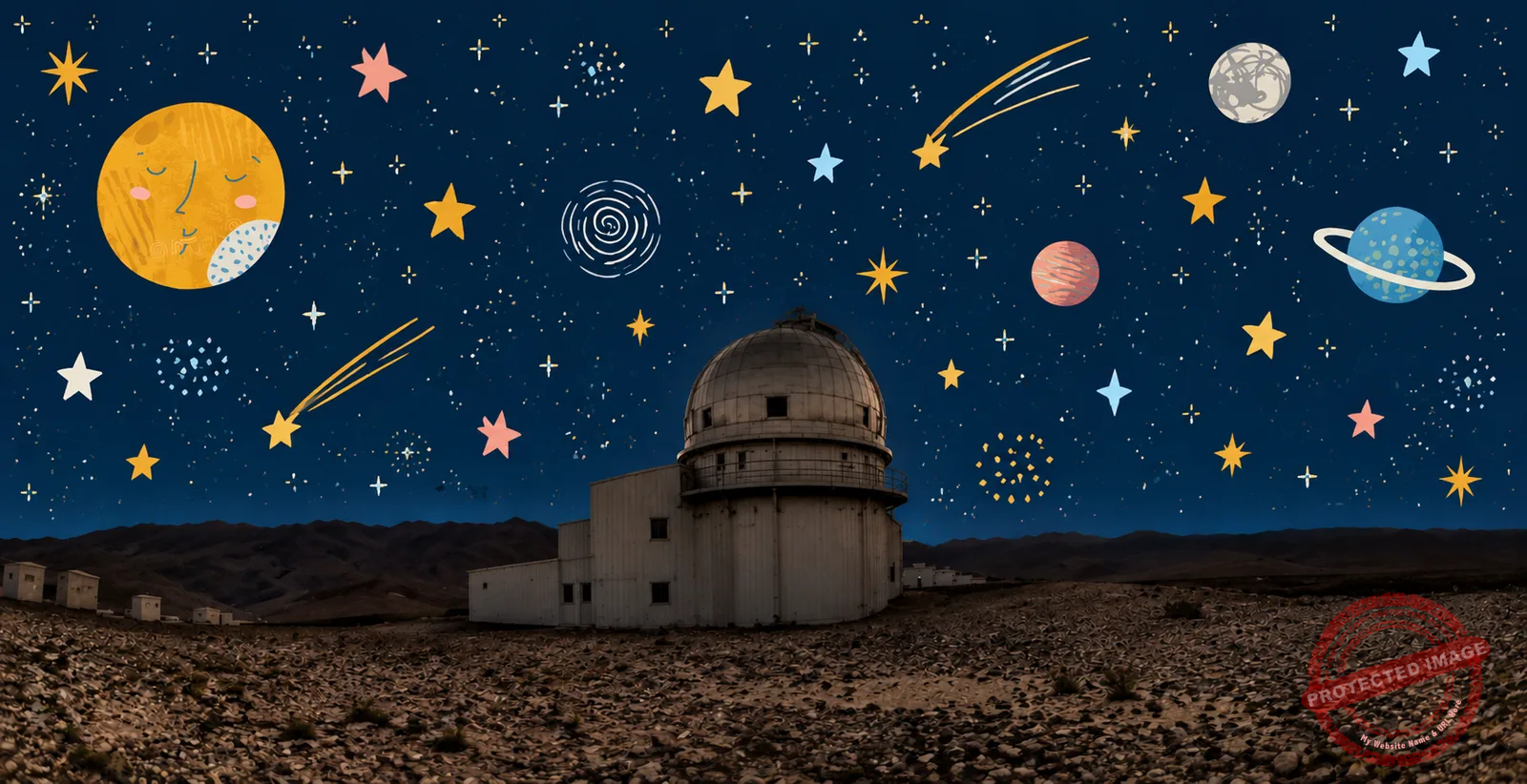
For landscape astrophotography, a complicated kit is less important than a reliable one.
A sturdy tripod is essential. A wide or moderately wide fast lens is the most flexible starting point for Milky Way landscapes. Bring a remote release or use the camera’s timer to avoid vibration. Carry a headlamp that can operate at low brightness; red light is preferable when working around other observers because it is less disruptive to dark adaptation.
Spare batteries deserve unusual emphasis in Ladakh. Cold reduces battery performance, and long exposures, live view and repeated image review can consume power quickly. Keep spare batteries warm inside clothing when practical.
Bring more memory than you expect to need. Astrophotography encourages repeated exposures, focus checks, panoramas, stacking sequences and time-lapse frames. Remote areas are a poor place to discover that the only card is full.
A lens cloth and blower are useful in dusty conditions. A power bank may help with phones, trackers or smaller accessories, but do not build a remote-night workflow around the assumption that charging will always be convenient.
Focusing in the Dark
Autofocus is often unreliable on a dark landscape.
A common approach is to use live view, magnify a bright star and manually adjust focus until the star is as small and sharp as possible. Then avoid touching the focus ring accidentally. Tape can help if the lens is prone to moving.
Check focus again after a large temperature change or after moving the camera. A photograph can look convincing on the rear screen while still being slightly soft when viewed later at full size.
If the foreground is very close, one focus distance may not render both stars and foreground sharply. That is a compositional and technical choice: focus stacking, a more distant foreground, or accepting some softness may all be preferable to flooding the scene with artificial light.
Exposure: Start Simple
There is no single correct exposure for Ladakh.
For an untracked wide-angle Milky Way photograph, start with the lens near its wider aperture, an exposure short enough to keep stars acceptably point-like, and ISO high enough to record the sky. Then inspect the histogram and stars rather than following a universal recipe.
Modern high-resolution cameras can reveal star movement sooner than older “500 rule” shortcuts suggest. Focal length, sensor size, pixel density and final output all affect the acceptable shutter time.
If the stars are trailing more than you want, shorten the exposure and compensate elsewhere. If the sky is noisy, consider multiple frames for stacking rather than assuming one extremely long exposure is the answer.
Star Trails, Meteor Showers and Deep-Sky Work
A Milky Way landscape is only one possibility.
Star trails benefit from a strong foreground and careful planning around the celestial pole. Multiple shorter frames are usually more forgiving than one extremely long exposure because aircraft, headlights or accidental light can be removed more easily.
Meteor showers reward patience and wide coverage. The radiant tells you where meteors appear to originate, but pointing directly at it is not always the strongest composition. A wider frame can combine the landscape with longer meteor paths away from the radiant.
Deep-sky astrophotography is a more specialized project. Tracking mounts, polar alignment, longer focal lengths, power and target-specific planning change the logistics substantially. Hanle’s dark environment is attractive for this work, but travellers should distinguish their own portable setup from access to professional observatory facilities.
Altitude Changes the Photography Plan
Hanle village is around 4,200 metres above sea level, and the Indian Institute of Astrophysics places the observatory facilities still higher.[1][3] Other Changthang photography locations are also high.
That makes acclimatization part of photographic planning, not an unrelated travel issue.
A technically perfect moon phase is useless if the itinerary moves too quickly for the photographer to function comfortably. Night work also means standing still in the cold, often after a long driving day. Fatigue can make simple tasks harder and can encourage poor decisions.
Spend appropriate time acclimatizing in Leh before moving to very high overnight locations. Do not schedule the most important shoot immediately after a punishing transfer. If anyone develops concerning altitude symptoms, photography is secondary to descending or seeking appropriate help.
Cold, Wind and the Difference Between Walking and Waiting
People often pack for the daytime temperature and underestimate what happens when they stand beside a tripod for two hours.
Astrophotography involves very little movement. A night that feels manageable during a short walk can become uncomfortable when you remain still. Use warm layers, wind protection, gloves that still allow camera operation and footwear suitable for cold ground.
Wind affects more than comfort. It can shake a tripod, move a camera strap, blur foreground vegetation and make exposed lakeshores unpleasant. Hang nothing from the tripod that can swing in gusts. Keep the setup low and stable when possible.
Light Discipline in Hanle
The darkness at Hanle is a shared resource.
The reserve’s light-management programme exists because uncontrolled artificial light affects astronomical observation. The Indian Institute of Astrophysics specifically describes measures to reduce outdoor light and glare, and notes that bright light also affects the wider nocturnal environment.[2][5]
Use the minimum light required to work safely. Avoid sweeping powerful headlamps across other photographers, houses or observing areas. Do not use vehicle headlights as casual light-painting tools. If light painting is appropriate at a location, coordinate with everyone nearby and keep it brief.
Good astrophotography etiquette in Hanle is therefore not merely politeness. It supports the scientific and community purpose of the reserve.
Wildlife and Night Photography
Much of eastern Ladakh is not empty land. Hanle Dark Sky Reserve lies inside the Changthang Wildlife Reserve, and the wider region supports wildlife as well as pastoral communities.[2]
Night photographers should avoid chasing animals with lights, approaching wildlife for foreground photographs, driving off established routes or wandering into sensitive areas simply because darkness makes boundaries harder to see.
A photograph is not improved by disturbing the landscape that made it possible.
Build the Trip Around Two or Three Serious Nights
Trying to photograph every night of a fast Ladakh circuit usually produces exhaustion rather than better work.
A more realistic astrophotography-oriented trip might begin with acclimatization in Leh, include a rehearsal night in a relatively accessible dark location, then move east for one or more dedicated nights in Hanle. Pangong, Tso Moriri or Tso Kar can be added when their landscapes serve a specific photographic idea rather than simply because they are famous.
The principle is simple: fewer night locations, more time at each one.
For photographers, an extra night can be more valuable than an extra destination. It creates a second chance after cloud, wind, fatigue or a technical mistake.
A Sample Astrophotography Flow
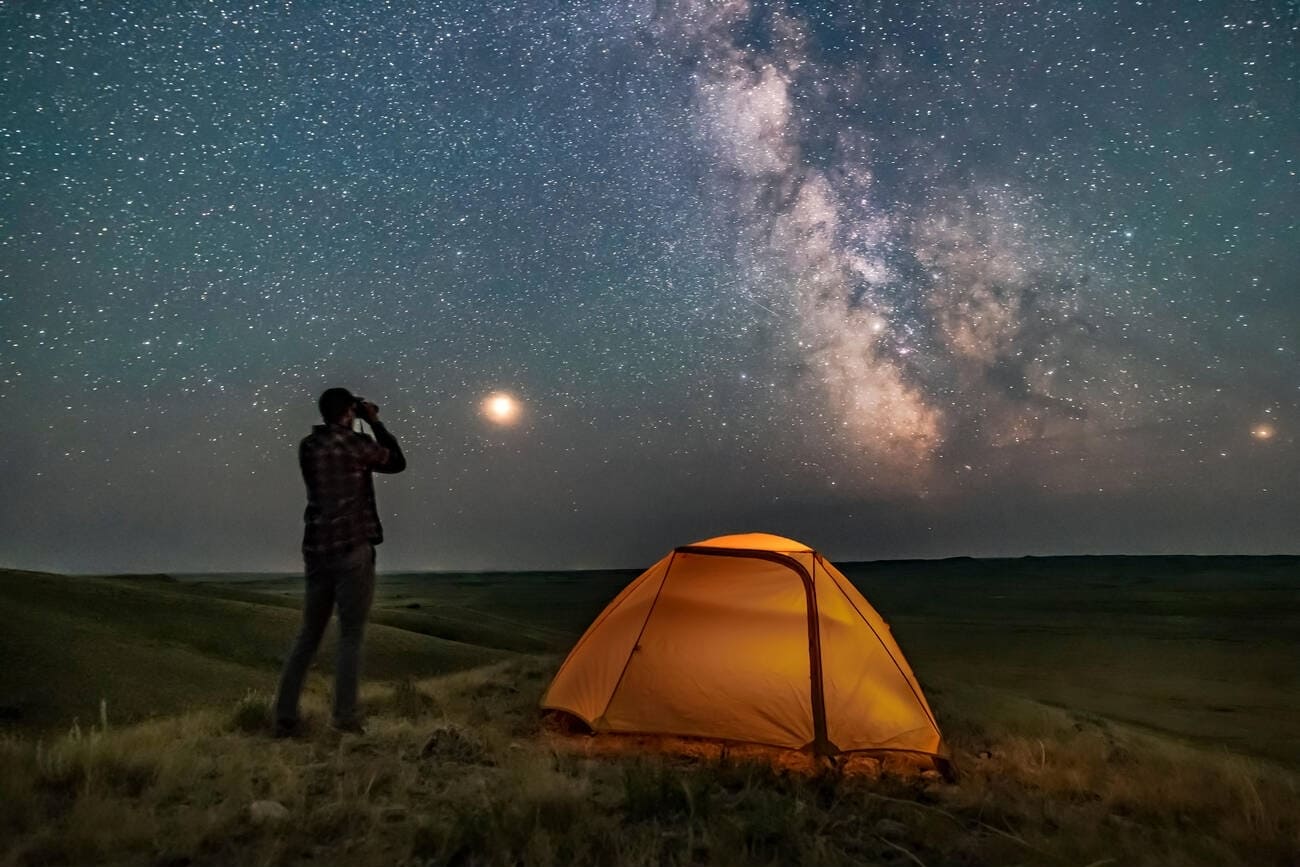
A practical structure could look like this:
Days 1–2: Leh. Acclimatize, check equipment, charge everything and scout a first composition without committing to a high remote night.
Day 3: Accessible dark-sky practice. Test focus, tripod stability, clothing, battery life and your actual night workflow.
Days 4–5: Pangong or another eastern landscape. Use the lake or mountain foreground deliberately and verify the sky direction before arrival.
Days 6–7: Hanle. Make these the dedicated dark-sky nights. Contact local astro-tourism resources when appropriate and keep the schedule light enough to work after dark.
Day 8 onward: Tso Moriri/Tso Kar or return toward Leh. Add another landscape only if it improves the photographic plan.
This is not a fixed itinerary. Weather, access conditions, acclimatization and the moon should determine the final sequence.
Travellers who prefer a supported journey rather than building all the logistics themselves can also look at LOTPL’s existing Ladakh Star Gazing Tour. That is a tour product; this guide remains the planning reference for photographers.
Before You Leave Leh
Use one final equipment check before heading east:
- camera bodies and lenses
- tripod and tripod plate
- charged batteries plus spares
- memory cards
- remote release if used
- headlamp with low/red-light mode
- warm layers, gloves and wind protection
- lens cloth and blower
- power and charging equipment
- offline copies of route and accommodation information
- a saved sky plan for each serious shooting location
Also confirm current road, access and local requirements rather than relying on an old blog post or screenshot. Conditions in remote Ladakh can change.
Frequently Asked Questions
Is Hanle the best place for astrophotography in Ladakh?
Hanle is the strongest dedicated dark-sky destination because of its exceptionally dark environment, the Indian Astronomical Observatory and the Hanle Dark Sky Reserve. It is not automatically the best foreground for every photograph. Pangong, Tso Moriri, Tso Kar and other landscapes can be stronger when the composition depends on a lake, ridge or open basin.
Can beginners photograph the Milky Way in Ladakh?
Yes. A beginner with a camera that allows manual exposure, a suitable lens and a sturdy tripod can make strong Milky Way landscapes. Practice focusing and exposure before reaching a remote high-altitude location.
Do I need a full moon or a new moon?
Neither is universally best. A dark moonless window is useful for faint stars and the Milky Way, while moonlight can illuminate mountains and foregrounds. Choose the moon phase and moonrise timing according to the photograph you want.
Can I photograph inside the Hanle Observatory?
Do not assume unrestricted access. The Indian Institute of Astrophysics states that visitor areas are controlled and commercial photography or videography requires prior authorization.[3] Contact the relevant authorities in advance for specialized access.
How many nights should I spend in Hanle?
For a trip in which astrophotography is important, two nights are much safer than one. A second night gives some protection against cloud, wind, fatigue or technical problems.
Is Hanle only for photographers?
No. The reserve also supports visual stargazing and community astro-tourism. Local Astro-Ambassadors have telescopes and can introduce visitors to the night sky.[3]
The Photograph Begins Before Dark
The strongest Ladakh night photographs are usually planned long before the shutter opens.
Choose the foreground. Check where the sky will be. Understand the moon. Give yourself time to acclimatize. Arrive before dark when possible. Learn the terrain while you can still see it. Keep artificial light under control and remember that Hanle’s darkness is protected because it matters to science, wildlife, local communities and visitors alike.
Then wait.
In Ladakh, that waiting is often the point: a camera on a tripod, mountains reduced to a black edge, and a sky that slowly reveals how much was hidden by daylight.
Sources and current status
Current-status note: Hanle Dark Sky Reserve and observatory-access information in this article reflects official Indian Institute of Astrophysics material available in September 2026. Road access, tourist permissions, weather and local operating conditions can change; verify them again before travelling.
 sagi
sagi