sagi
sagiThe air in Ladakh is thin, biting, and heavy. If you’ve ever stood in the shadow of the Thiksey Monastery while the sun disappears behind the Zanskar Range, you know that feeling. It’s a place where the line between the physical world and something deeper feels blurred. Maybe that’s why Ladakhi folk tales are so incredibly vivid.
They aren’t just bedtime stories for kids. These narratives are the cultural glue holding this high desert together. They give meaning to the jagged peaks, the sudden storms, and the strange habits of the mountain ibex.
The Roots of Ladakhi Storytelling
Most of these stories hitched a ride along the Silk Road. You can hear bits of Persian legends, Tibetan Buddhist parables, and ancient animist beliefs all tangled up in one story. It’s a messy, beautiful mix.
Storytelling used to be a communal habit here. During the brutal winter months, when snow traps families inside their thick-walled mud houses, the hearth becomes the center of the world. One person starts a story, and the room goes quiet. That’s how the history of this region survived long before anyone wrote it down.
The Legend of the Mountain Spirits
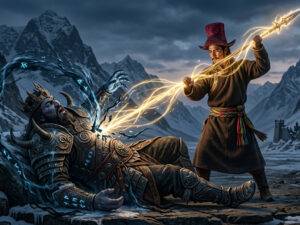
The most common figures in Ladakhi folklore are the Lha and the Lu. The Lha are the benevolent gods of the high peaks. The Lu, meanwhile, are the temperamental spirits of the water and the earth.
I once chatted with a local shepherd who refused to dig a trench in a specific patch of soil near a spring. He said it belonged to the Lu. If you bother them, the water dries up or your livestock gets sick. To an outsider, it sounds like superstition. To him, it was just a practical rule for surviving in a tough environment.
These stories teach you to respect the land. You don’t take more than you need because the land is occupied by entities that aren’t quite human. It’s a philosophy of coexistence that has kept these mountain communities going for centuries.
Kesar Saga: The Epic Heart
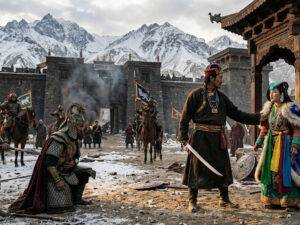
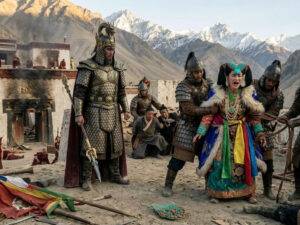
You can’t talk about Ladakhi folklore without bringing up the Kesar Saga. It’s the longest epic poem in the world, and bards across the region still perform it today.
King Kesar is a semi-divine figure sent from the heavens to defeat demons plaguing the earth. He’s a hero, sure, but he’s also flawed. He makes mistakes, gets distracted, and suffers. People listen to his story for hours because of that humanity.
The performance is intense. The bard shifts their voice to mimic different characters, using rhythmic chanting that sounds like galloping horses or roaring winds. It’s not just a recitation; it’s an experience.
Why These Tales Still Matter
Modernity is moving fast in Leh. You see satellite dishes and smartphones everywhere now. But these folk tales provide a necessary anchor.
When you hear a story about a shape-shifting fox or a cursed valley, you’re hearing the collective memory of a people who learned to thrive in one of the most unforgiving places on Earth. These stories give the landscape context. A mountain isn’t just a pile of rock; it’s a character with a history.
- The Fox Tales: Often used as fables to teach children about cunning and avoiding greed.
- The Ghost Stories: Used to keep people away from dangerous mountain passes after dark.
- The Buddhist Parables: Used to explain the cycles of reincarnation and the importance of compassion.
The Practical Side of Myth
I find the survival aspect of these tales fascinating. Think about the stories regarding the Snow Man or Yetis. Scientists might hunt for biological proof and come up empty. But the locals? They use these stories to set boundaries.
If a village elder tells you that a certain cave is home to a spirit, you don’t go there. Maybe it’s actually a nesting ground for snow leopards or a path prone to rockfalls. The story keeps you safe without needing a fence or a warning sign.
It’s a clever way of passing down safety protocols through generations. It’s not about truth in the scientific sense. It’s about truth in the survival sense.
How to Experience the Folklore Yourself
If you visit Ladakh, don’t just stick to the tourist circuits. Find a local guesthouse where the owner is willing to talk. If you show genuine interest in their history, you might be surprised by what they share.
Look for festivals like Losar (the Tibetan New Year). During these times, the masks come out, and the dances tell the stories of old battles and spiritual victories. The masks are terrifying, but they’re meant to be. They represent the demons that have been tamed by the teachings of the Buddha.
Sit through a performance. Don’t worry about understanding every word. Focus on the energy, the music, and the way the audience reacts. You’ll feel the connection to the past.
The folk tales of Ladakh aren’t disappearing, but they are changing. They are becoming more personal, more fragmented. If you want to understand the true spirit of these mountains, look past the scenery. Listen to the whispers of the people who call this desert home.
The mountains hold secrets, but only if you take the time to listen. The stories are waiting. You just have to be in the right place to hear them.


 sagi
sagi
 Writer