 sagi
sagiOctober in Ladakh is not one season. The first week can still feel like the final chapter of autumn; by the end of the month, winter is already taking control of the high passes, lakes and remote villages.
That is why the useful question is not simply, “Can I visit Ladakh in October?” The better question is: what kind of Ladakh trip is realistic for my exact October dates?
For trekkers, that question becomes even more important. October can still offer beautiful walking, but it is no longer the month to assume that every classic summer route is operating normally. Lower village treks near Leh may remain practical in suitable conditions, while higher crossings can become cold, snowy and logistically fragile very quickly.
As of 30 August 2026, October remains a rewarding month for travellers who value clear air, golden poplars, quieter roads, photography and a slower atmosphere. Official Ladakh Tourism describes September–October as the region’s autumn period, associated with golden landscapes and clear skies.[5] But October also sits at the edge of the main road and trekking season. The official District Leh travel page says the Manali–Leh highway normally operates into September/October, while the Srinagar–Leh route generally has a longer seasonal window.[4]
The safest way to plan is therefore to treat early, mid and late October differently, keep Leh as the flexible base, and verify road, weather, permit, trail and accommodation conditions shortly before each remote leg.
Is October a good time to visit Ladakh?
Yes — for the right traveller.
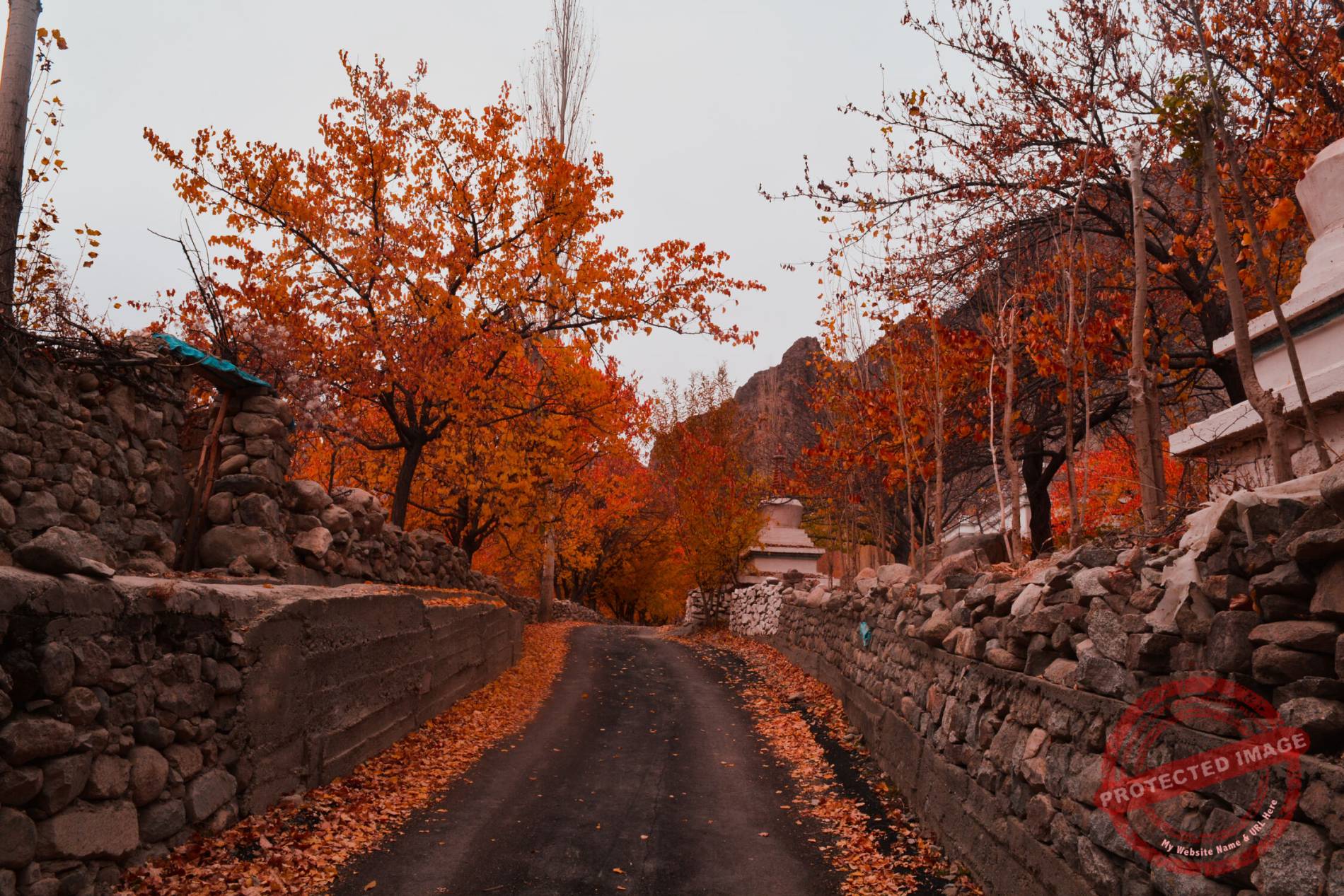
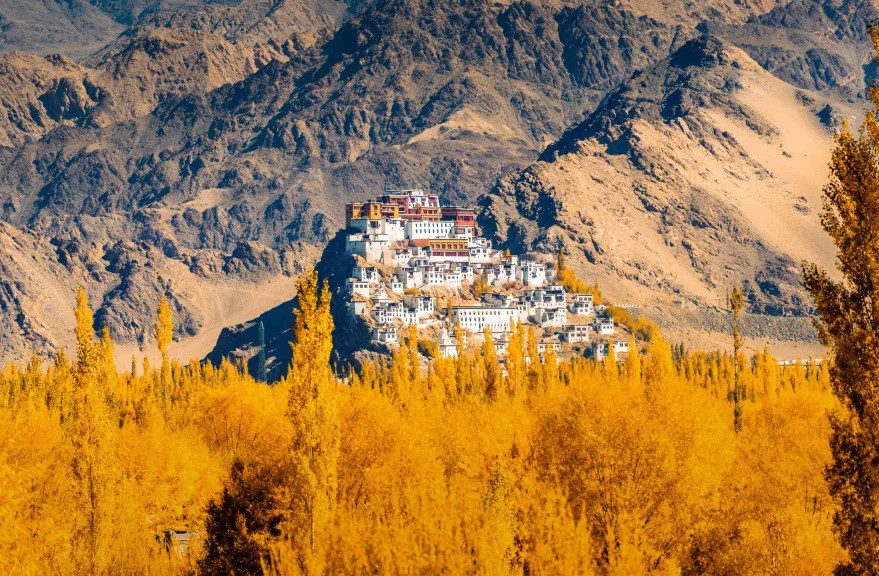
October can be one of the most visually distinctive times of year in Ladakh. Irrigated valleys around Leh, the Indus and Nubra begin to turn yellow and gold while the surrounding mountains remain brown, grey and increasingly snow-dusted. Tourist traffic falls after the main summer season, and the low autumn sun can give the landscape unusually clear definition.
But October is not the easiest month for a first trip if your priority is maximum certainty. The later you travel, the more important flexibility becomes.
A useful rule is:
| Travel period | Planning character | Best approach |
|---|---|---|
| 1–10 October | Autumn shoulder season | Strongest window for a classic Leh–Nubra–Pangong style trip and lower multi-day trekking, subject to current conditions |
| 11–20 October | Transition toward winter | Keep remote nights selective; choose lower or shorter trekking routes and confirm trail access, heating and stays |
| 21–31 October | Early winter conditions increasingly possible | Build the trip around Leh, the Indus Valley and flexible day walks; treat high-altitude treks as conditional |
These are planning categories, not road-opening or trail-opening guarantees. Snowfall, ice, maintenance, local restrictions and accommodation closures do not follow a fixed calendar.
Ladakh weather in October: what the official climate data says
For Leh, India Meteorological Department climatological data for 2011–2024 gives an October mean daily minimum of 0.7°C and mean daily maximum of 16.4°C.[1]
That is a useful baseline — but it is a Leh baseline.
It does not mean that Pangong Tso, Tso Moriri, Hanle or a trekking pass at 4,500–5,000 metres will have the same temperatures. Those places are higher, more exposed and often windier. A sunny afternoon can feel comfortable in Leh while the same day becomes bitterly cold after sunset beside a high-altitude lake or in a campsite above a village.
District Leh’s own visitor information says temperatures begin falling from the second half of August and that from mid-September woollens are needed even during the day, despite strong sunshine.[6] Ladakh Tourism also places October–March under its extreme-temperature advisory and tells travellers to carry adequate cold-weather gear and emergency supplies.[2]
So pack for sun and freezing conditions in the same trip.
What October weather feels like in practice
Expect large temperature swings. In sunlight, a sheltered place in Leh can feel surprisingly warm. In shade, after sunset, on a pass or beside a lake, the temperature can change the experience very quickly.
For trekkers, the cold matters twice: once while walking and again after you stop. A route that feels pleasant at 2 p.m. can become uncomfortable in camp after sunset. Water bottles can become very cold overnight, shaded ground can hold ice, and footwear that was merely damp in summer becomes a bigger problem in October.
The practical clothing system is more important than chasing a single forecast number:
- thermal base layers;
- fleece or warm mid-layer;
- insulated jacket;
- windproof outer layer;
- warm trousers or thermal leggings;
- gloves and a warm cap;
- thick socks;
- sunglasses and strong sun protection;
- shoes with enough grip for frost, snow or icy ground.
For Pangong, Hanle, Tso Moriri or a multi-day trek, also confirm whether your accommodation or overnight stop has reliable warmth overnight, not simply a blanket and a room that was comfortable in August.
Can you trek in Ladakh in October?
Yes — but October trekking in Ladakh needs a different mindset from July or August.
The most useful distinction is not “open” versus “closed”. It is lower and flexible versus high and committed.
Lower village-to-village routes near Leh can still be reasonable, especially in early October. Higher routes with exposed passes, remote camps, seasonal horse support or homestays that depend on summer traffic can become unreliable much faster.
If your trip is specifically about trekking, October works best when you choose a route that can be shortened, exited or changed without turning a weather shift into a serious logistical problem.
Best October trekking choices
Sham Valley is usually the first route we would investigate for an October trek. It is lower than many of Ladakh’s famous routes, passes through inhabited villages and uses homestays rather than a full high-altitude camping chain. The walking is still real Ladakh — dry slopes, small passes, cold mornings and strong sun — but the route gives you more options if conditions change.
Short village walks around the lower Indus Valley can also work well. These are useful for travellers who want to walk every day without committing to a five- or seven-day high route.
Markha Valley is more complicated. It is one of Ladakh’s classic treks, but October is no longer the season to book it blindly. Cold nights, snow around higher sections, reduced homestay support and the condition of passes can all change the trip. If Markha is your priority, early October is the only part of the month we would seriously investigate, and even then we would make the decision from current local conditions rather than a calendar promise.
Routes toward Rumtse, Tso Moriri and Changthang are a different category. These are higher, more exposed and more remote. In October they should be treated as specialist objectives requiring current trail assessment, suitable equipment and a realistic willingness to cancel or reroute.
What usually becomes difficult first?
It is often not the trail itself.
- Homestays may close or reduce services.
- Seasonal camps disappear.
- Horsemen and support teams may no longer be available at short notice.
- Water can become harder to manage on cold or frozen sections.
- Snow can hide the trail on a pass while lower valleys remain dry.
- Shorter daylight reduces the margin for slow days.
- Night temperatures can make simple summer sleeping systems inadequate.
This is why “the pass was open last year” is not enough information for an October trek.
October trekking: early month versus late month
For trekking, the difference between 3 October and 27 October can be enormous.
Early October
This is the most useful window. Lower routes and some classic summer treks may still be possible, particularly after a dry September. Villages are more likely to have functioning stays, support teams are easier to arrange, and the first serious winter snow may not yet have arrived on every route.
Even then, we would still check the exact pass condition, overnight temperature, water situation and village accommodation before departure.
Mid October
By mid-month, the planning emphasis shifts from “which trek do you want?” to “which route still makes sense this week?”
Sham Valley and short lower walks become more attractive. High camps and exposed passes become less attractive. A route with a road exit nearby is more valuable than it would be in summer.
Late October
Late October is better treated as the beginning of winter travel rather than an extension of the summer trekking calendar.
Walking can still be beautiful around Leh and the Indus Valley, but a long multi-day high-altitude trek should not be the default plan. Day hikes, village walks and short flexible overnight trips are generally more sensible.
What is open in Ladakh in October?
This is where many travel articles become misleading.
Ladakh itself does not “close” on 1 October. Leh remains a functioning town, local communities remain in place, flights continue, monasteries remain part of everyday life, and many roads inside the region may still be usable.
What changes is the reliability and density of tourist infrastructure.
Seasonal camps begin disappearing. Some restaurants shorten hours. Guesthouses in remote areas may close for winter. Drivers and local operators start making more conservative decisions around snow and ice. High passes can be temporarily restricted even when a route is normally considered open.
| Area | October planning view |
|---|---|
| Leh | Best all-month base; hotels, local transport and essential services are easiest to arrange here |
| Indus Valley / monasteries near Leh | Usually the most dependable sightseeing and walking option as winter approaches |
| Sham Valley trekking | One of the stronger lower-altitude trekking options to investigate in early or mid October |
| Nubra Valley | Often realistic in early October; later travel needs current route and accommodation confirmation |
| Pangong Tso | Possible when the road is open, but colder and with fewer seasonal stays as the month advances |
| Hanle | Remote; go only with confirmed road, permit/access and accommodation conditions |
| Tso Moriri | High, remote and cold; make it a weather-dependent extension rather than a fixed late-October promise |
| Manali–Leh overland route | Do not build a late-October itinerary around assumed access |
| Srinagar–Kargil–Leh route | Normally has a longer seasonal window than Manali–Leh, but still requires current Zoji La/traffic confirmation |
Reaching Leh in October: flying is the most resilient plan
District Leh lists air and road as the main ways to reach Leh, with three road approaches described on its current travel page.[4]
For an October holiday, flying into and out of Leh gives the itinerary the strongest margin for weather changes. It removes the need to gamble the whole trip on a late-season highway crossing.
Manali to Leh in October
The District Leh page describes the Manali–Leh highway as generally operating from May/June to September/October.[4]
That wording matters. It is a seasonal range, not a promise that the road will remain suitable on a particular October date.
If your dream is specifically the Manali–Leh road journey, early October gives you a better planning position than late October, but you should still check the current status immediately before departure.
Do not make a non-refundable flight or international connection depend on a late-season road exit.
Srinagar to Leh in October
The same District Leh source gives the Srinagar–Leh highway a generally longer operating season, from May into November/December.[4]
Even so, Zoji La is a mountain pass, and current traffic regulations or weather can interrupt movement. Treat the longer seasonal window as useful context, not certainty.
For travellers who want to arrive by road in October, the Srinagar side is therefore usually the more conservative route to investigate — but only after checking the live situation near the travel date.
Nubra Valley in October

Nubra is one of the best October choices because the valley floor is lower and more settled than Ladakh’s highest lake regions. District Leh describes Nubra as the “orchard of Ladakh” and lists Hunder, Diskit, Panamik and Turtuk among its major attractions.[9]
In early October, the valley can combine golden poplar and willow colour, quieter village roads, monasteries and historic settlements, desert landscapes around Hunder and clearer autumn light.
The key question is not whether Nubra exists as a destination in October. It is whether the road across or around the high terrain is safe on the day you travel, and whether the accommodation you want is still operating.
For a conservative October itinerary, spend your first two acclimatization days in Leh, then consider Nubra before adding higher or more remote destinations.
Pangong Lake in October
Pangong Tso remains one of Ladakh’s most powerful landscapes. District Leh places the lake at about 14,270 ft and notes that it freezes completely in winter.[8]
October is the transition toward that winter state.
The lake can be magnificent in clear autumn light, but a comfortable summer-style visit should not be assumed. Wind exposure, cold nights and seasonal accommodation matter as much as the road itself.
If Pangong is essential to your trip, place it earlier rather than later in October, confirm the road shortly before leaving, confirm a proper room rather than a seasonal tent, ask specifically about nighttime heating, and keep a return-to-Leh alternative if the weather changes.
Pangong is also significantly higher than Leh, which makes acclimatization part of the route plan rather than an optional extra.
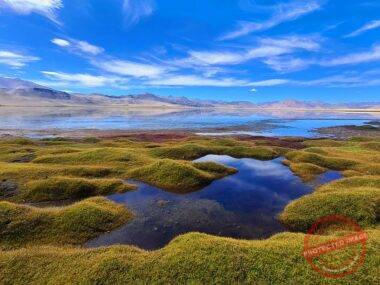
Hanle and Tso Moriri in October
Hanle and Tso Moriri belong to a more remote category of October travel.
Ladakh Tourism lists astro-tourism as an April–October experience and highlights Hanle and Pangong among the region’s dark-sky destinations.[12] That makes early October particularly interesting for travellers focused on night skies.
Tso Moriri, meanwhile, is described by District Leh as a high-altitude lake on the Changthang plateau, with the main road journey from Leh taking roughly six to seven hours under normal conditions.[10]
These places should not simply be added because a map shows a road.
An October Hanle or Tso Moriri plan should confirm road condition on the exact sector, expected snow or ice, legal access for your nationality and route, fuel range, heating and accommodation, daylight, and the physical condition of everyone in the vehicle.
If any of these answers is uncertain, dropping a remote night is a better decision than forcing the itinerary.
Leh and the Indus Valley become more valuable later in October
One of the mistakes travellers make is treating Leh as a waiting room for Nubra and Pangong.
In late October, Leh becomes the centre of a better kind of itinerary.
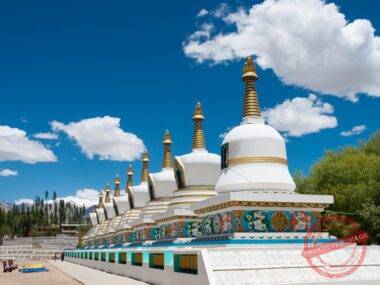
You can explore monasteries and villages along the Indus Valley, spend time in the old town and markets, visit places such as Thiksey and Hemis, and travel west toward Alchi or Lamayuru when road conditions allow. These lower and more connected areas give you far more flexibility than a schedule built around a new high pass every day.
They are also the natural place to combine sightseeing with walking. A half-day or full-day village walk can be more rewarding in late October than insisting on a multi-day trek that has already moved beyond its comfortable season.
Autumn colour: when does Ladakh turn golden?
Official Ladakh Tourism describes September–October as autumn and specifically highlights golden landscapes, clear skies and photography.[5]
The exact colour peak varies by altitude, valley and year. It is not a guaranteed “first week of October” event.
Around Leh, the Indus Valley and Nubra, irrigated settlements with poplars and willows can produce the strongest colour. Higher, barren landscapes such as the Changthang give a different October feeling: less foliage, more exposed plateau, harder light and colder nights.
For photography, the great October contrast is often not a single landmark. It is the relationship between golden village trees, dry mountains and the first snow on higher ground.
Accommodation in October: confirm, do not assume

The biggest seasonal change is often accommodation rather than road access.
In Leh, you still have the widest choice. In remote areas, camps and guesthouses may close progressively as winter approaches.
For trekkers, this matters even more because a route can remain physically walkable after its normal support network has disappeared.
Before committing to Pangong, Hanle, Tso Moriri, a remote Nubra village or a trekking homestay, ask:
- Is the property or homestay definitely open on my date?
- Is the room inside a permanent building?
- Is there heating after sunset and through the night?
- Is hot water available?
- Are meals available at the property?
- Is electricity available overnight?
- Is mobile communication reliable enough to contact the driver or support team?
A “yes” from a booking platform in August is not as useful as direct confirmation close to your October stay.
Altitude: October does not reduce the acclimatization requirement
Cold weather does not make altitude easier.
District Leh’s advisory, updated in July 2026, says tourists arriving in Leh should undergo at least 48 hours of acclimatization before travelling to higher-altitude areas such as Khardung La and Pangong Lake.[3] Ladakh Tourism repeats the 48-hour acclimatization guidance in its current safety advisory.[2]
That means a sensible October trip still begins slowly. It is especially important before a trek because the first walking day should not also be your first serious altitude test.
First 48 hours in Leh
- rest;
- gentle walks near your accommodation;
- nearby sightseeing without major altitude gain;
- regular meals and hydration;
- monitoring how everyone feels.
Do not arrive by air in the morning and drive directly to Pangong, Khardung La or a high-altitude trailhead.
Permits and restricted areas in October 2026
Do not rely on a permit blog copied from several years ago.
District Leh continues to provide online PAP/ILP services.[2] More importantly, on 24 August 2026 the UT Ladakh Administration announced a high-level review of the Protected Area Permit and Restricted Area Permit framework, particularly for northern and eastern Ladakh.[11]
That review is not the same as a new universal permit rule already being implemented.
For an October 2026 trip, verify the current requirement for your nationality, passport and exact route shortly before travelling, especially for border-sensitive sectors around eastern Ladakh.
The safe article-level rule is simple: route first, nationality second, current permit requirement third. Do not assume that permission for one destination automatically covers every connecting road you see on a map.
Driving a motorcycle or self-driving in October
In October, there is less room for error.
A road that is dry at midday may hold ice early in the morning. A pass that is open to four-wheel traffic can still be a poor choice for a motorcycle. Short daylight and cold hands make minor problems more serious.
If you are self-driving, check tyres, brakes, coolant, battery and heater; carry food, water and warm emergency layers; keep fuel reserves appropriate to remote routes; and accept local restrictions immediately.
For late October, a local vehicle and driver can offer a large practical advantage because route decisions can change daily.
October festivals and culture
October is not culturally empty.
District Leh’s current festival list places Diskit Gustor at Diskit Monastery and the Ladakh Bird Festival at Tso Kar in October.[7]
Festival dates can follow traditional calendars or administrative scheduling, so confirm the exact 2026 date before structuring a trip around one.
This is a good example of why October should not be described as “everything closing.” Tourism becomes quieter, but local cultural and religious life continues.
A realistic 7-day early-October itinerary
For travellers flying into and out of Leh in the first part of October:
Day 1 — Arrive Leh
Rest and acclimatize.
Day 2 — Leh / nearby Indus Valley
Keep altitude gain modest.
Day 3 — Leh to Nubra Valley
Proceed only after the current road check.
Day 4 — Nubra Valley
Diskit, Hunder, Sumur, Panamik or Turtuk depending on your priorities and route design.
Day 5 — Nubra to Leh or Pangong
The conservative choice is Leh. Pangong should be chosen only if the road, weather and accommodation are confirmed.
Day 6 — Leh / Pangong return / buffer day
Protect one day for changing conditions.
Day 7 — Departure
The buffer is not wasted time. In October it is part of the itinerary.
A trekking-focused 8-day October plan
If walking is the main purpose of the trip, an October itinerary should still protect the first 48 hours for acclimatization.
Days 1–2: Leh acclimatization and easy local walks
Day 3: Transfer toward the Sham Valley trail and begin a short village trek
Days 4–5: Continue village-to-village walking, with the exact route adjusted to current homestay and trail conditions
Day 6: Finish the trek and return to Leh
Day 7: Weather buffer or Indus Valley day walk
Day 8: Departure
This is intentionally less ambitious than a summer plan. The value comes from keeping the route realistic rather than forcing altitude and distance into every day.
Who should choose Ladakh in October?
- photographers;
- repeat visitors;
- travellers who prefer fewer crowds;
- people who enjoy cold, clear weather;
- travellers willing to change plans;
- walkers who are happy with lower or shorter routes;
- culture-focused visitors who do not need every high-altitude attraction;
- people comfortable booking a private vehicle for flexible route decisions.
Who should choose another month?

Consider September instead if:
- this is your first Ladakh trip and you want the widest logistical margin;
- you must reach Pangong, Hanle and Tso Moriri on fixed dates;
- you are travelling with very young children or anyone who struggles badly with cold;
- you are committed to a motorcycle itinerary;
- your plan depends on the Manali–Leh highway being open;
- your main goal is a high multi-day trek with one or more major passes;
- you dislike changing hotels, routes or destinations at short notice.
October can be extraordinary, but the month rewards flexibility more than ambition.
What to check 24–48 hours before every remote drive or trek
- Road or trail status for the exact route you plan to use.
- Weather over the relevant pass and destination.
- Snow and ice from the previous night.
- Accommodation or homestays are open and suitable for the season.
- Permit/access rules for your passport and route.
- Fuel or support logistics for remote sectors.
- Daylight for the full drive or walking day.
- Vehicle, equipment and warm layers are appropriate.
- Health of every traveller after the previous altitude gain.
- A fallback route or fallback night if the plan changes.
Ladakh in October is not a month for proving that a pre-booked itinerary was correct. It is a month for adjusting intelligently to the mountains.
Frequently asked questions
Is Leh open in October?
Yes. Leh is a year-round town and remains the best base for an October trip. Tourist services become quieter as the month progresses, but October is not a blanket closure of Leh.
Can I trek in Ladakh in October?
Yes, but route choice matters. Lower and shorter treks are generally more realistic than high routes with exposed passes. Early October offers the best margin; late October is better approached as winter walking rather than a continuation of the summer trekking season.
Which trek is best in Ladakh in October?
Sham Valley is often the first route to investigate because it is lower, village-based and easier to adjust than remote high-altitude routes. The final decision should still be based on current trail, homestay and weather conditions.
Is Markha Valley Trek possible in October?
It can sometimes be possible in early October, but it should not be treated as automatically available. Snow on higher sections, cold nights and reduced homestay support can change the route quickly. Check current local conditions before committing.
Is there snow in Ladakh in October?
Snow is possible, especially on high passes and higher terrain. It should be treated as a potential road and safety factor rather than a guaranteed sightseeing feature.
Can I visit Nubra Valley in October?
Often yes, especially earlier in the month, but travel depends on current road conditions and local restrictions. Confirm accommodation as well.
Can I visit Pangong Lake in October?
It can be possible when the route is open. Expect colder conditions and fewer seasonal accommodation options than in summer. Do not skip acclimatization.
How cold is Leh in October?
IMD’s 2011–2024 Leh climatology gives an October mean minimum of 0.7°C and mean maximum of 16.4°C.[1] Individual days can differ, and remote higher destinations can be substantially colder.
Do I still need two acclimatization days in October?
Yes. District Leh states that tourists arriving in Leh should have at least 48 hours of acclimatization before higher-altitude travel.[3]
The best way to plan Ladakh in October
If you remember only one idea, make it this:
Plan October from the centre outward.
Secure your flights. Give Leh its acclimatization days. Decide whether your priority is walking, Nubra, Pangong or a quieter autumn journey. If trekking is important, choose the route only after looking at the exact October dates and current trail support.
Then add the higher or more remote pieces only if the conditions still make sense.
LIFE on the PLANET LADAKH can design an October itinerary or private trek around your exact travel dates, altitude experience, preferred pace and the routes that are realistically working at the time — rather than forcing a summer itinerary into an autumn month.

 sagi
sagi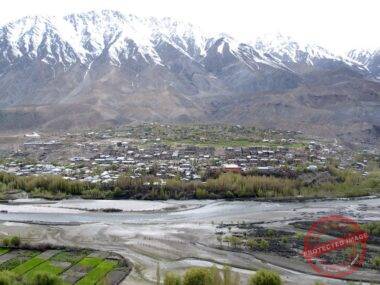

 Writer